All In Accessibility Standards
Customer Service
Key expectations to ensure every customer interaction is inclusive and welcoming. This applies whether in person, online, or over the phone. These Standards help you proactively support customers as they plan their visits and engage with your space.
These Standards draw on best practice from across the sector. They guide you in going beyond basic compliance. This helps you adopt a proactive approach to inclusive customer service.
Read the sample Standard: CS 4.01 Training and Skills Development
CS 1. Planning a Visit
The Standards in this category focus on planning, communication, and providing information that helps people before they visit your venue.
Disabled people are more likely than non-disabled people to look up venue details before visiting a new place or booking an experience.
These Standards help you provide important information in an accessible and inclusive way. This helps people understand how your venue will meet their needs. It also helps them find creative and cultural experiences and makes booking tickets easier. These Standards also support you with access policies and planning.
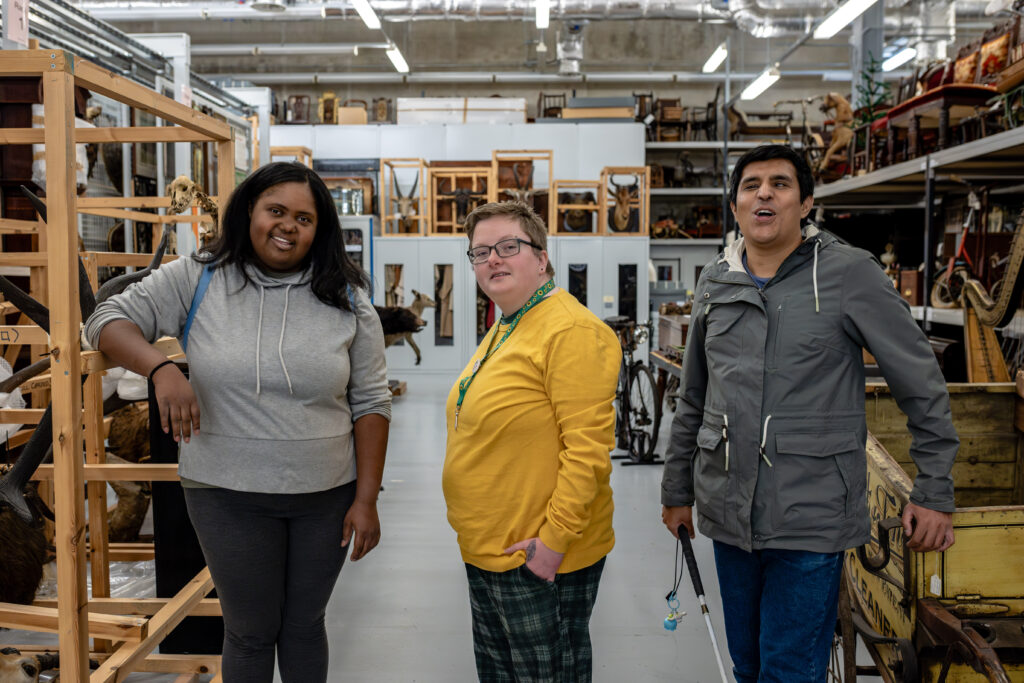
Three people stand in a storage area filled with shelves of various objects. The space is well-lit with industrial-style lighting and organized rows of items in the background.
CS 1.01 Reaching Potential Audiences
Marketing plans are informed by experts with lived experience and explicitly cover reaching access audiences. Plans include targeted marketing as well as recognising that all marketing should be accessible.
Coming soon for subscribers.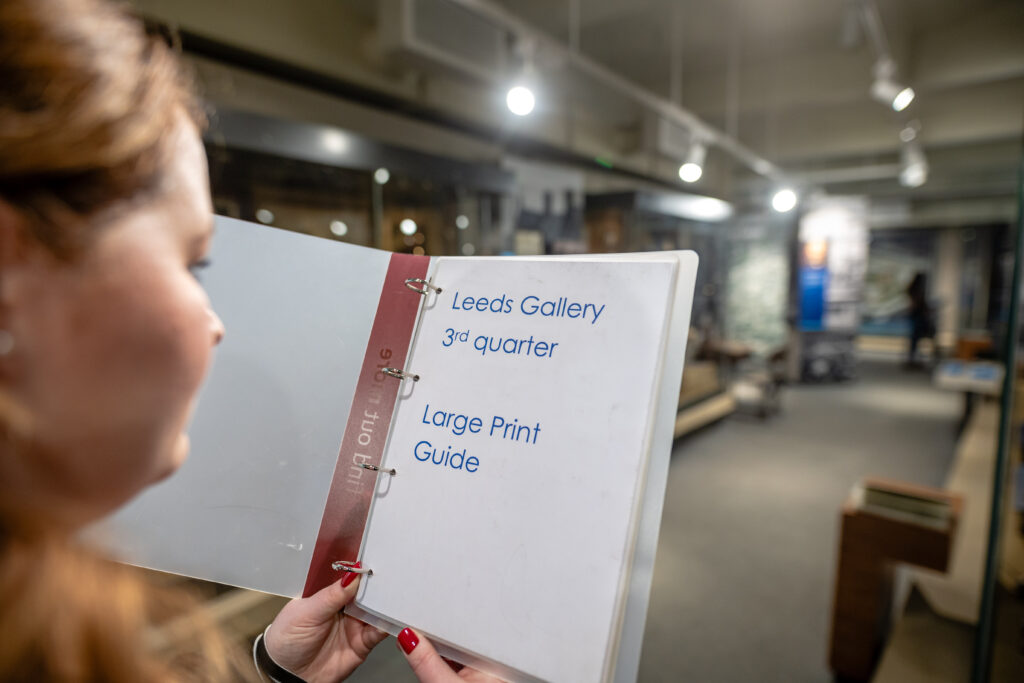
Person holding a large print guide titled “Leeds Gallery 3rd quarter” in a museum setting.
CS 1.02 Information Formats
Information materials are routinely accessible.
Coming soon for subscribers.
A red bus stop shelter on a quiet street lined with brick buildings and houses. The road has “BUS STOP” painted on it, and a timetable sign is visible on the shelter. Trees and a stone wall run along the right side of the pavement.
CS 1.03 Pre-Event Access Information
Provide relevant access information in a timely way, well before booking or on-sale goes live, so that everyone can choose and book knowing that their access needs will be met.
Coming soon for subscribers.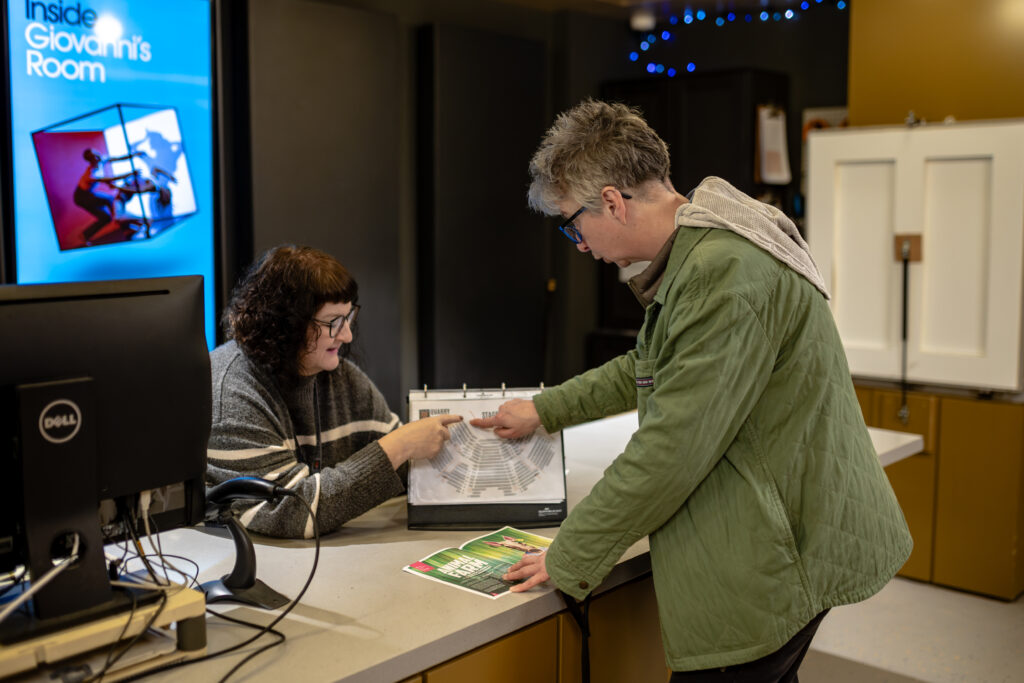
A visitor in a green jacket stands at a customer service desk. The customer assistant is holding and pointing at a seating plan. The visitor is also pointing at the seating plan.
CS 1.04 Ticketing
Ensure there are accessible ways to book tickets, and reserve access facilities. This should be underpinned by an inclusive ticketing policy.
Coming soon for subscribers.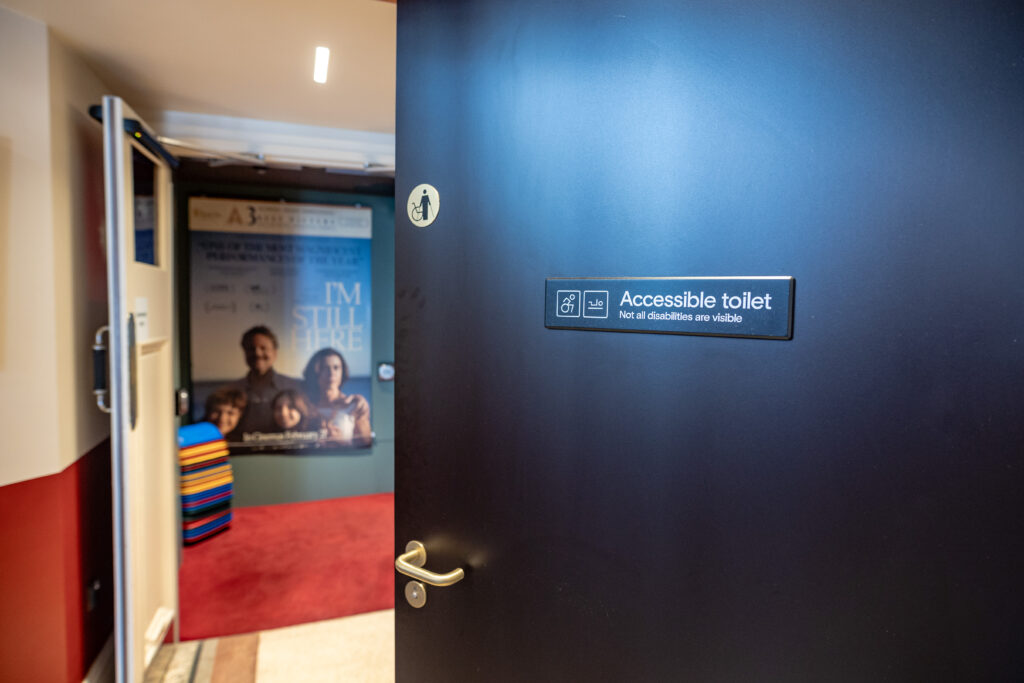
Open door with a sign reading ‘Accessible toilet – Not all disabilities are visible. In the background there is a hallway with a red carpet and a poster on the wall
CS 1.05 Access Policies
Estabish an access policy and ensure all accessible processes are covered. Make sure there are references to disabled people in any wider policy. Ensure disabled people are involved in the policy writing process.
Coming soon for subscribers.
CS 2. During a Visit
The Standards in this category focus on everyday processes and procedures. They support you in delivering an accessible and inclusive experience for visitors at your venue.
The Hosting Adapted Performances and Presentations Standard provides guidance on hosting adapted performances and assisting disabled audiences.
These Standards also include guidance on providing assistive aids and equipment, welcoming assistance dogs, and providing routine briefings that cover accessibility.
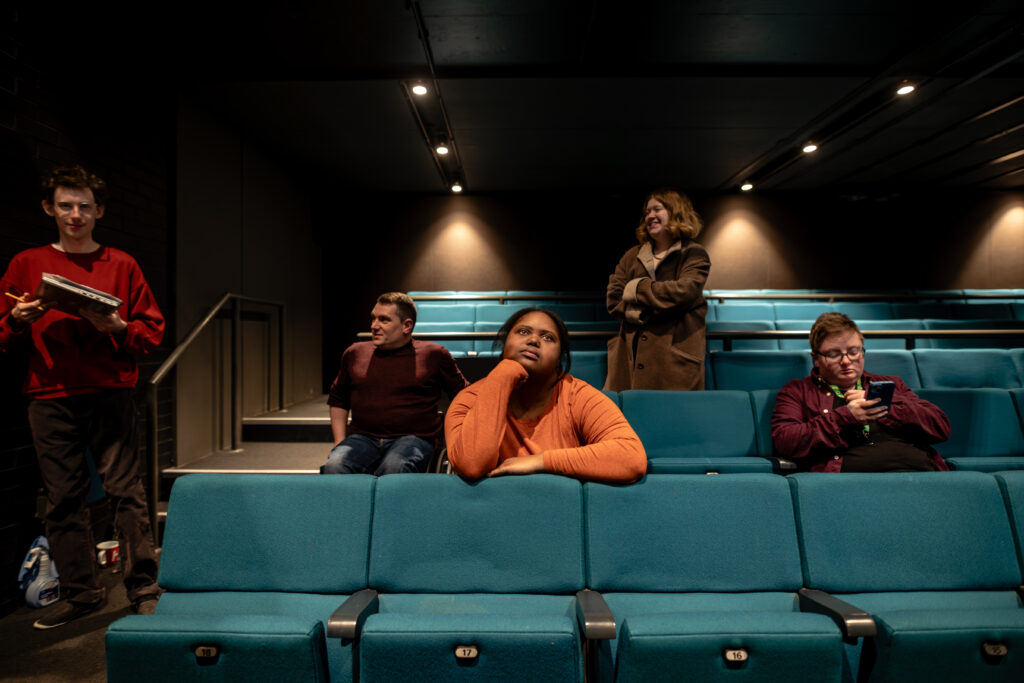
People seated and standing in a small auditorium with teal-colored seats and dark walls.
CS 2.01 Staff Briefings
Ensure that day-to-day and event specific staff briefings routinely cover accessibility.
Coming soon for subscribers.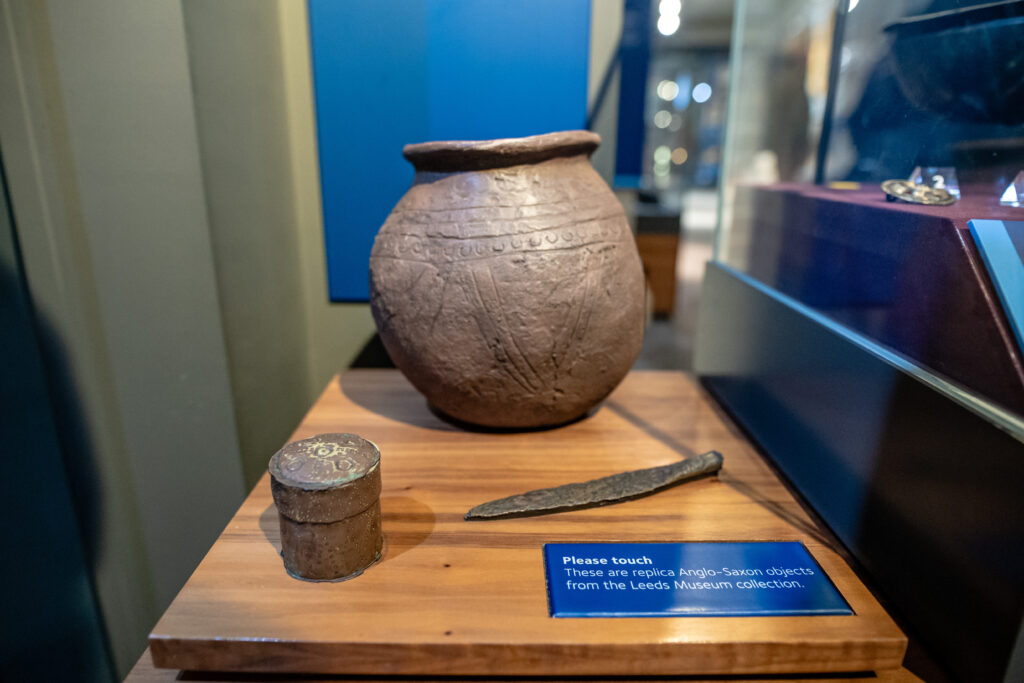
Display of replica Anglo-Saxon objects including a pot, a small container, and a knife on a wooden surface. There is a blue sign next to the objects which says ‘please touch’.
CS 2.02 Security
Ensure security procedures at entry points and throughout the venue are well communicated, respectful and accessible.
Coming soon for subscribers.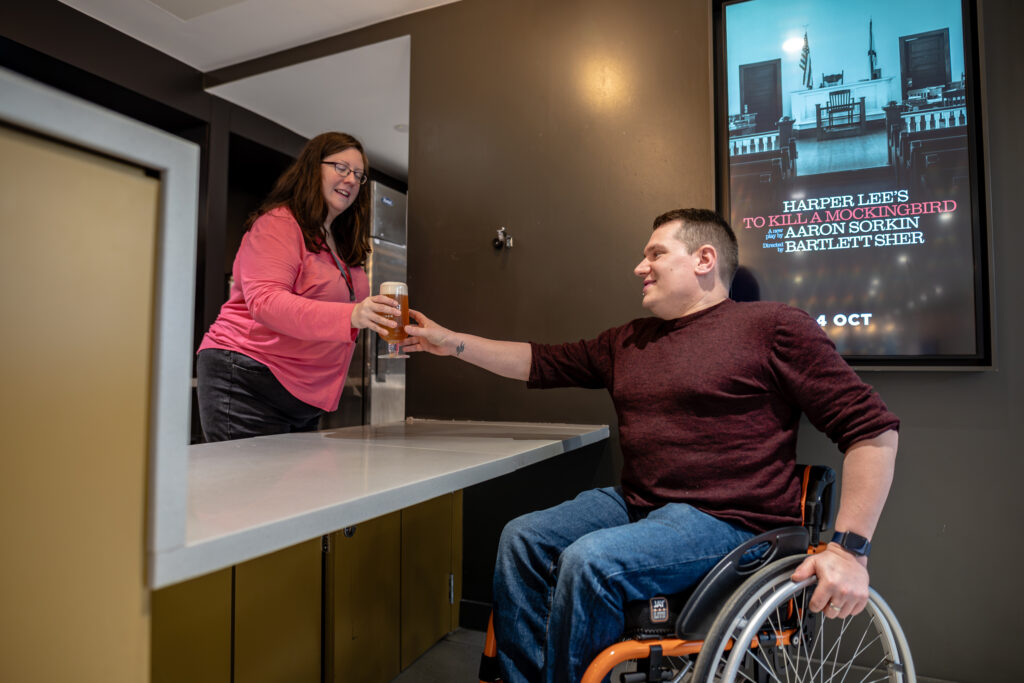
Wheelchair user receiving a drink across a lowered bar counter, with a poster for ‘To Kill a Mockingbird’ visible on the wall behind.
CS 2.03 Customer Service Points
Ensure that customer service points are welcoming, inclusive and support accessible communication so that people can order, pay and get information accessibly.
Coming soon for subscribers.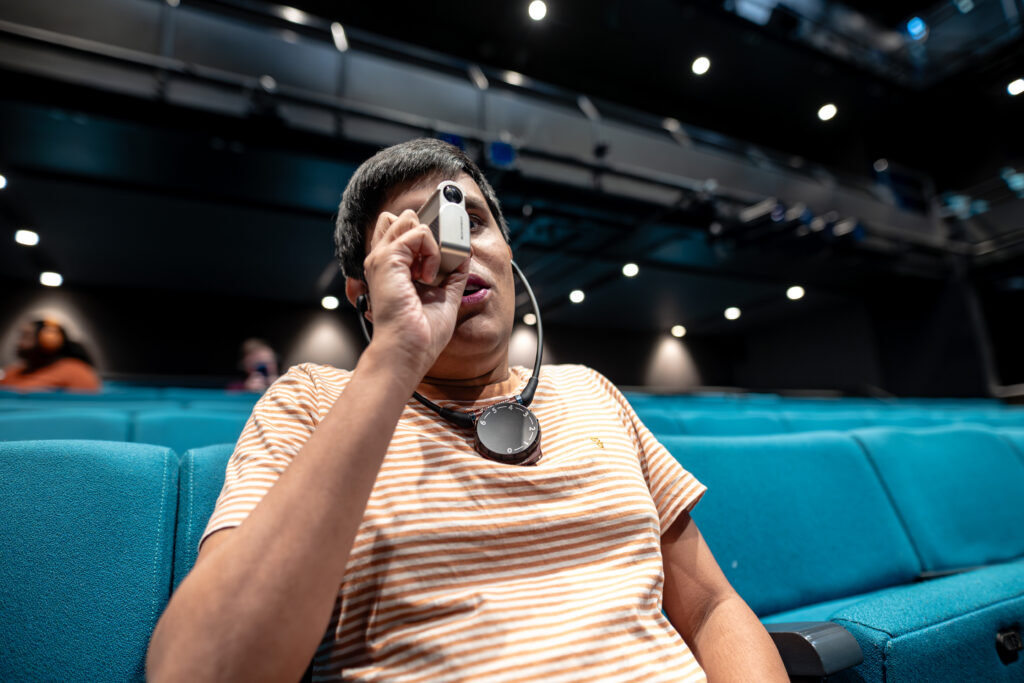
Person seated in a theatre with teal seats, wearing a striped shirt and an audio description device around their neck. They are holding a magnifying device.
CS 2.04 Hosting Adapted Performances and Presentations
Ensure that customer service staff are well-prepared and confident in hosting adapted performances and supporting access audiences.
Coming soon for subscribers.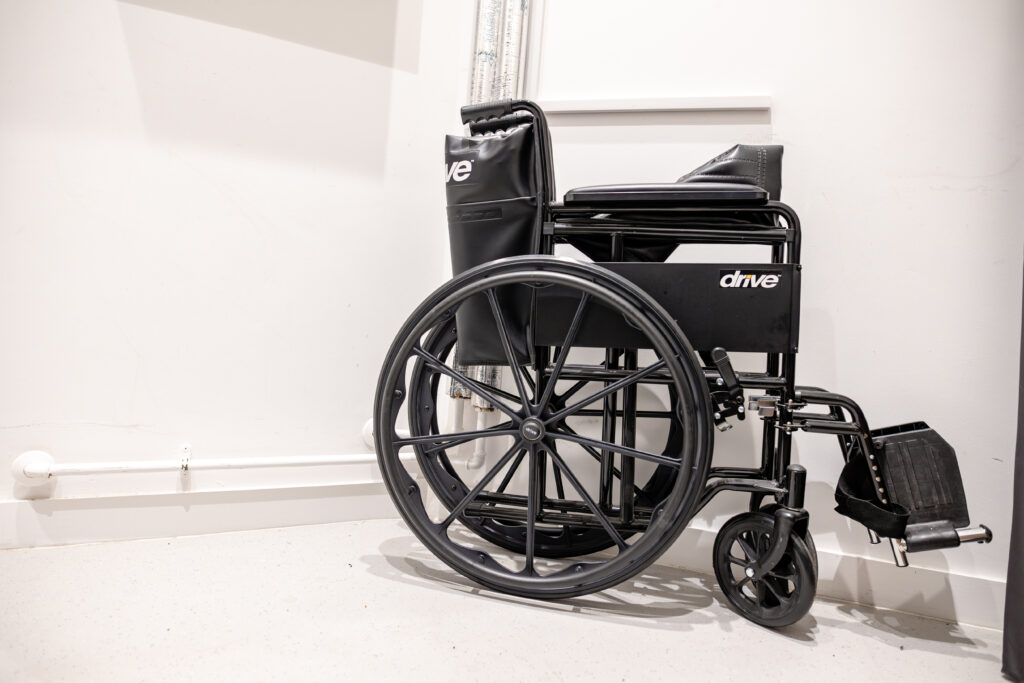
A black manual wheelchair is folded and placed against a white wall in a corridor.
CS 2.05 Assistive Aids and Equipment
Provide a range of assistive aids and equipment for a range of access needs, appropriate to the environment and experience on offer at your venue. Communicate what is on offer and how to reserve it if needed.
Coming soon for subscribers.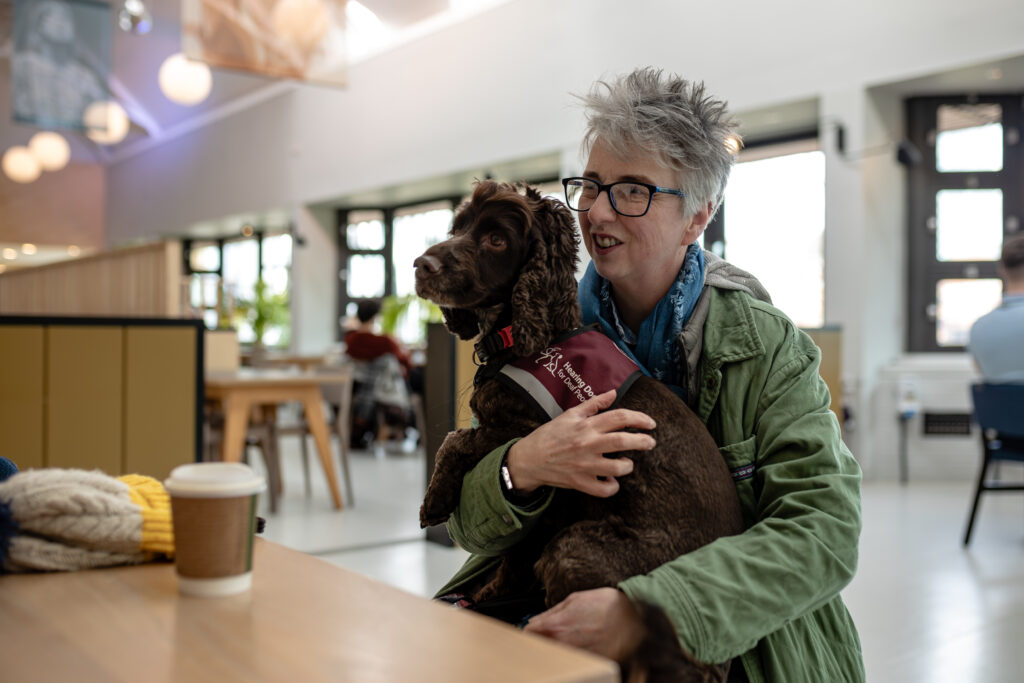
Person sitting indoors at a table with a coffee cup, holding a brown assistance dog wearing a coat that reads ‘Assistance Dog’.
CS 2.06 Assistance Dogs
Have a clear policy for welcoming assistance dogs. Understand how to welcome assistance dogs and their owners. Understand the difference between assistance dogs and emotional support animals.
Coming soon for subscribers.
CS 3. Emergency and Incidents
The Standards in this category focus on planning for emergencies and incidents. They ensure your venue considers the needs of disabled people.
It’s important to approach emergency planning with care. You need to balance general procedures with an understanding of the specific needs of disabled people during incidents. It’s key to recognise that disabled people have individual access needs.
These Standards help you prevent and manage incidents. They also guide you in sharing your emergency plans in a clear way.
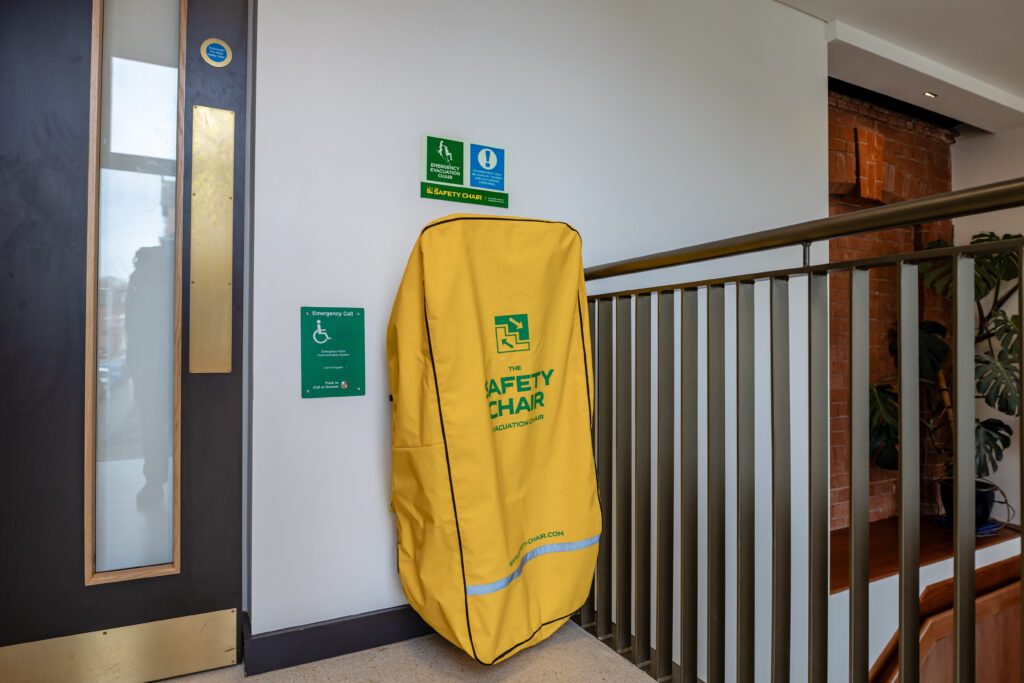
A bright yellow evacuation chair cover labeled “Safety Chair” is mounted on a wall near a staircase. Green emergency signage is visible above it.
CS 3.01 Emergency Evacuation Procedures
Have inclusive emergency procedures that make explicit reference to the needs of disabled people with different impairments during an emergency or evacuation.
Coming soon for subscribers.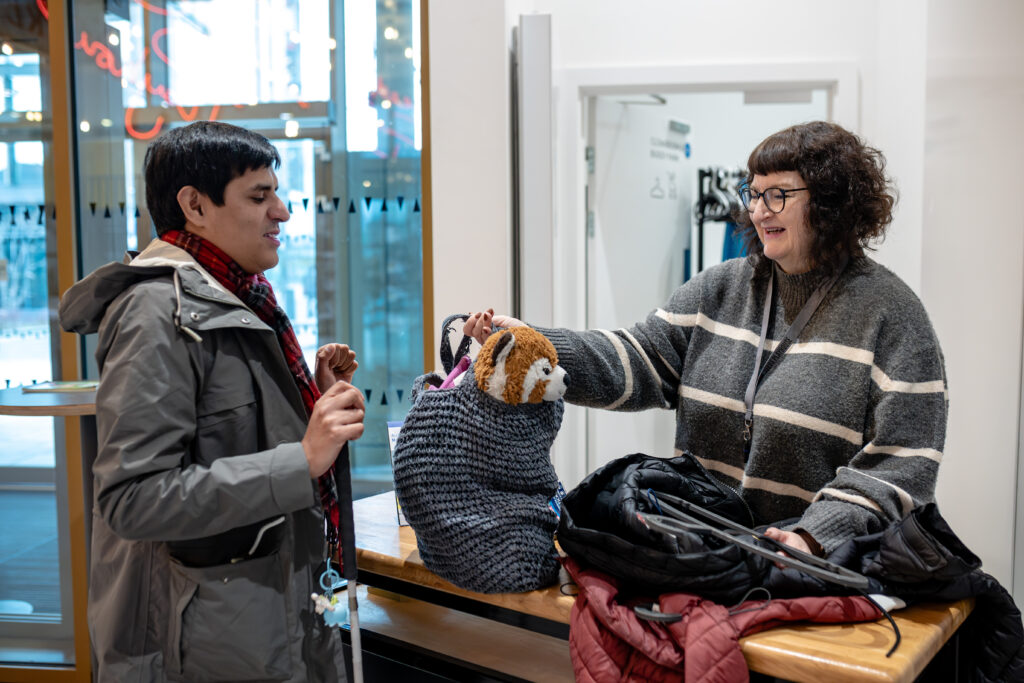
Two individuals are at a cloakroom counter. One person is holding a cane, whilst the member of staff is holding a large bag with a stuffed animal inside.
CS 3.02 Preventing and Handling Incidents
Ensure both policies and staff training consider prevention and management of access related incidents (such as ableism), and access elements of all incidents (such as first aid).
Coming soon for subscribers.
CS 4. Continuous Improvement
The Standards in this category assist you in refining your customer service. They help you apply lessons from training, feedback, complaints, and creative projects. This will allow you to change your practices and make accessibility a core principle of your team’s work.
It’s vital that your planning, policy, and processes reflect the real-life experiences of disabled people. These Standards help you keep building your knowledge of accessibility and improve your practice.
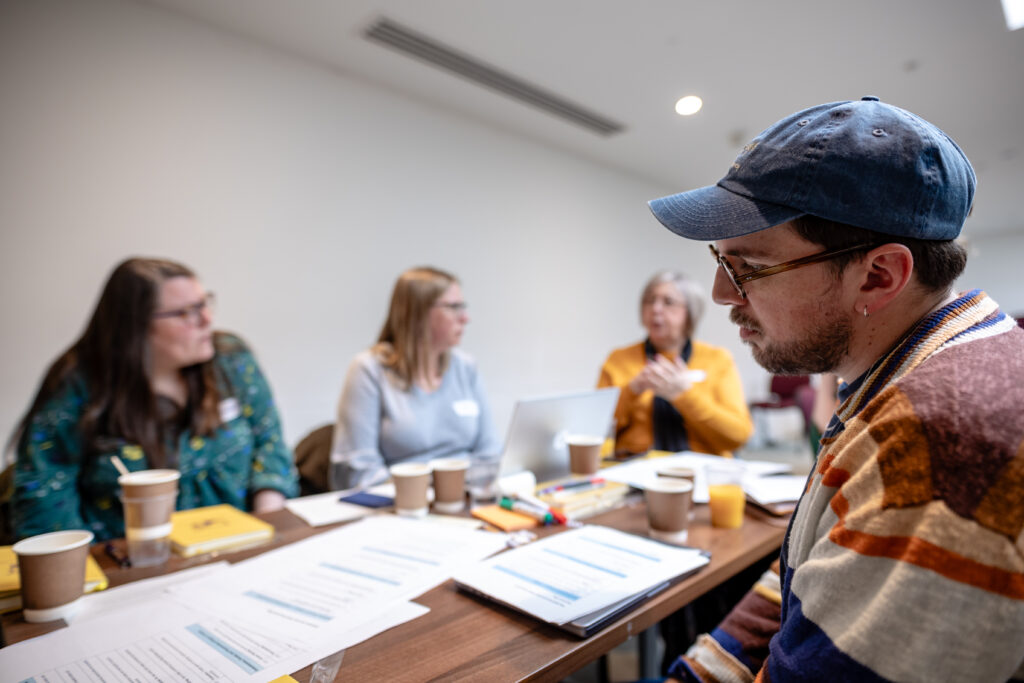
A group of people are seated around a table covered with papers, notebooks, and coffee cups.
CS 4.01 Training and Skills Development
Create opportunities for staff, volunteers and freelancers to receive regular disability and intersectionality training, guidance and self-development tools.
This content is only available to logged in users.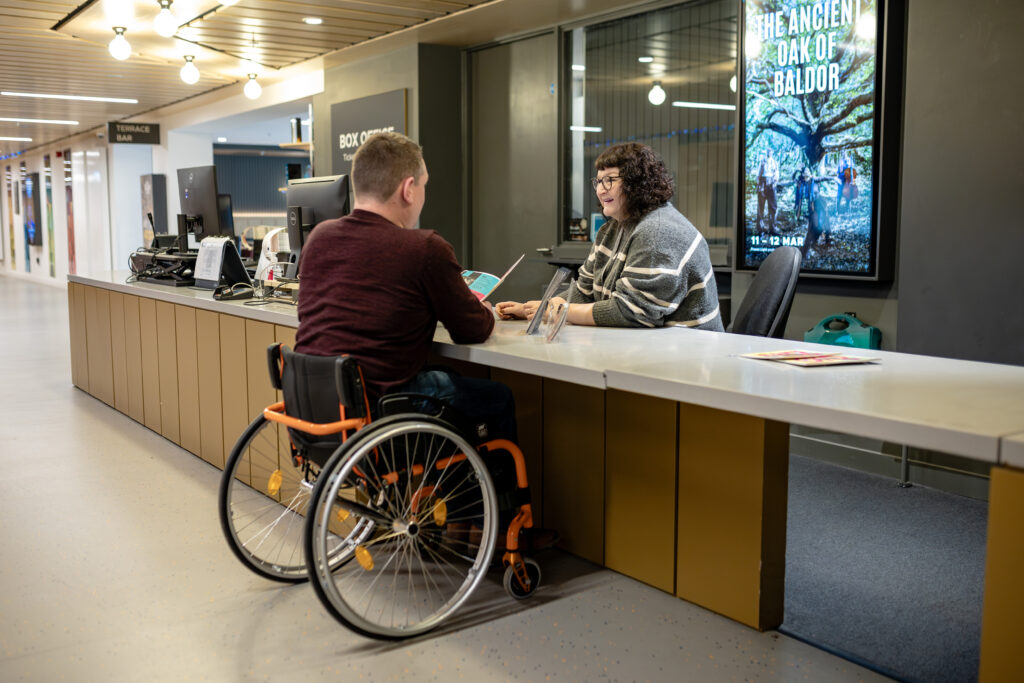
A wheelchair user is at a customer service counter, interacting with a staff member. There are computer monitors on the desk, and a poster on the wall that reads “The Ancient Oak of Baldor.”
CS 4.02 Feedback and Complaints
Have a clear means for customers to provide feedback and complaints.
Coming soon for subscribers.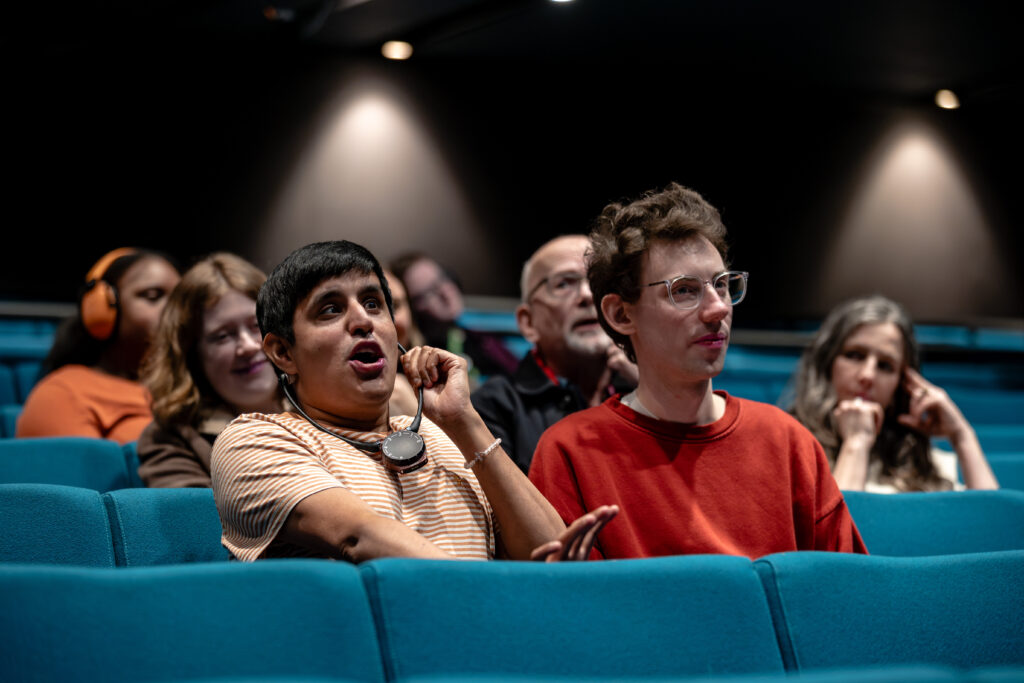
Several people are seated in a theatre with teal-coloured seats, watching something on stage or screen. One person is wearing an audio description receiver on a neck loop. In the background, someone is wearing bright orange ear defenders.
CS 4.03 Accountability Structures
Creating an accountability structure to ensure that commitments to accessibility (and anti-ableism) are maintained.
Coming soon for subscribers.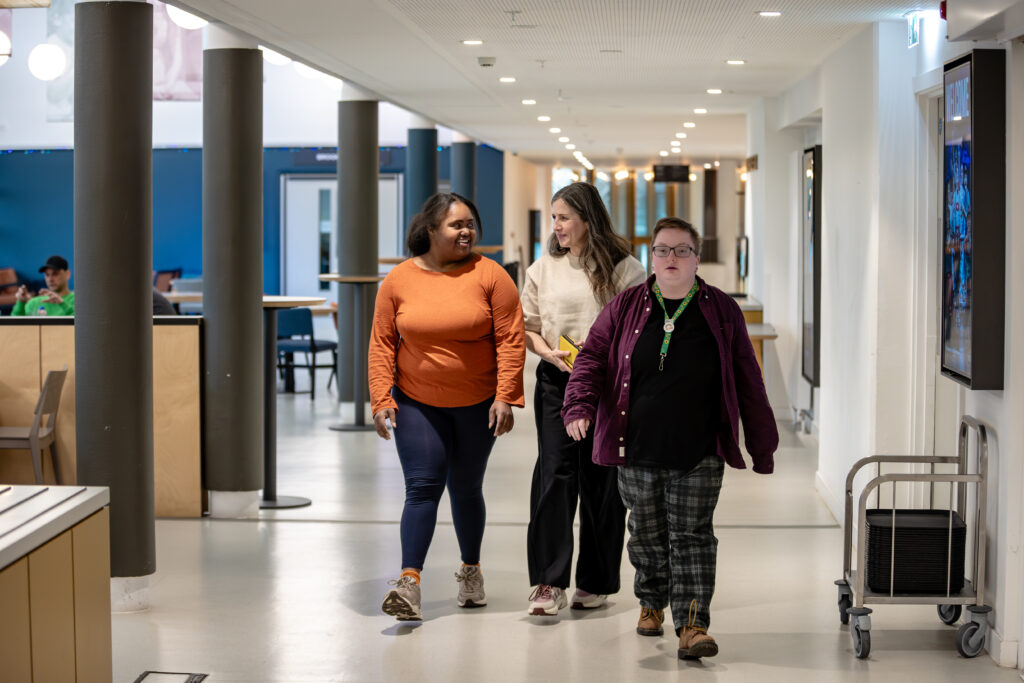
Three people are walking together down a wide, well-lit corridor with tables and chairs along the sides. A poster display is visible on the wall.
CS 4.04 Policy Reviews
Ensure that internal policies are informed by the needs and experiences of disabled people and meet their needs.
Coming soon for subscribers.