All In Accessibility Standards
Built Environment
Practical guidance for making your physical space inclusive, based on UK Building Regulations, best practices, and insights from disabled people. These Standards follow the customer journey through a space or artistic environment.
The key specifications combine best practices from the UK Building Regulations and British Standard BS8300. They also include insights from disabled people and cultural spaces.
Read the sample Standard: BE 5.01 Toilets
BE 1. Arrivals
The Standards in this category look at the outdoor arrival points of your venue. This includes areas like car parks, drop-off points, and walkways from public transport stops. The Standards outline key measurements for areas within the site boundary, like accessible parking bays. They also detail how to inform customers about different routes to the venue.
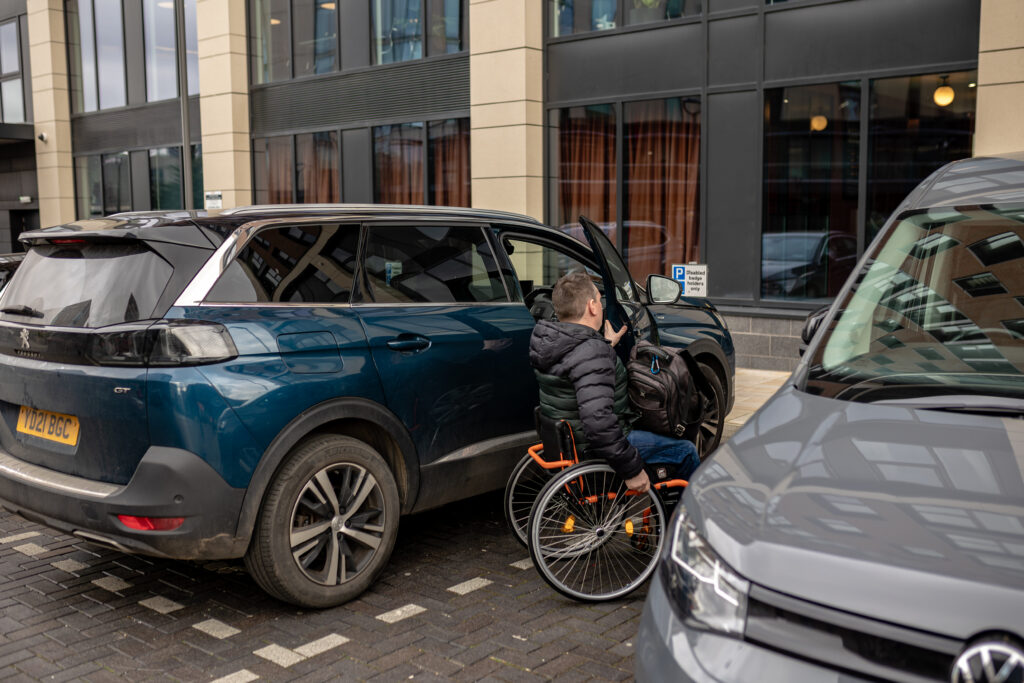
A wheelchair user gets out of a car in an accessible parking space in front of a venue.
BE 1.01 Accessible Parking
Ensure accessible parking options are close to entrances, with clear signage and level pathways to the entrance.
Coming soon for subscribers.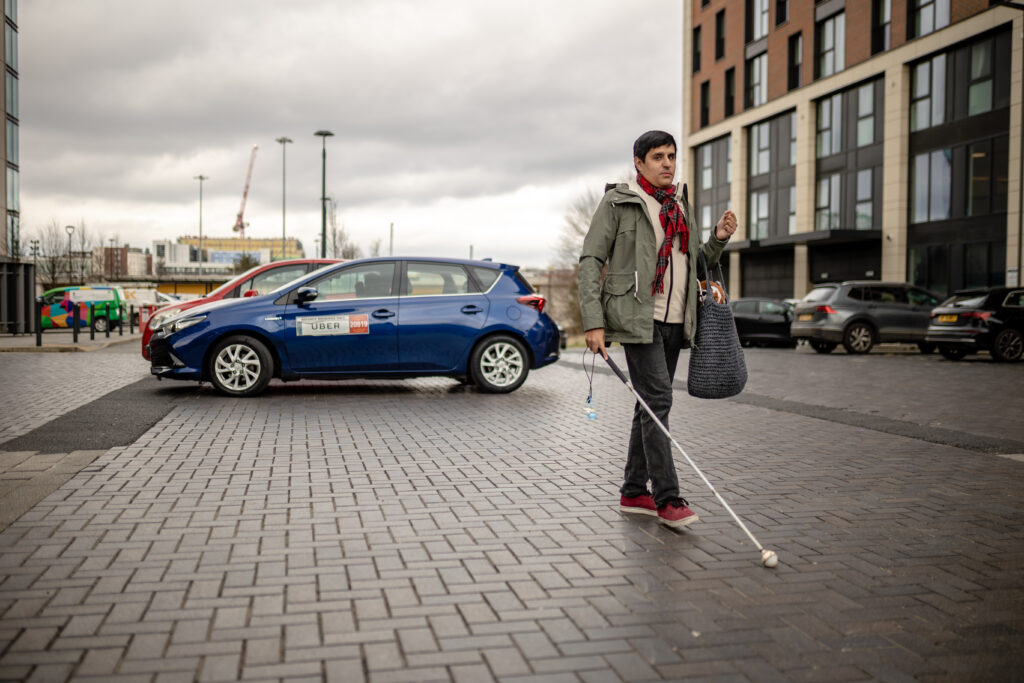
A white cane user approaches a venue after being dropped off in an area with a level, firm surface.
BE 1.02 Drop-off Zones
Designate step-free and well-signposted areas for passengers to be dropped-off.
Coming soon for subscribers.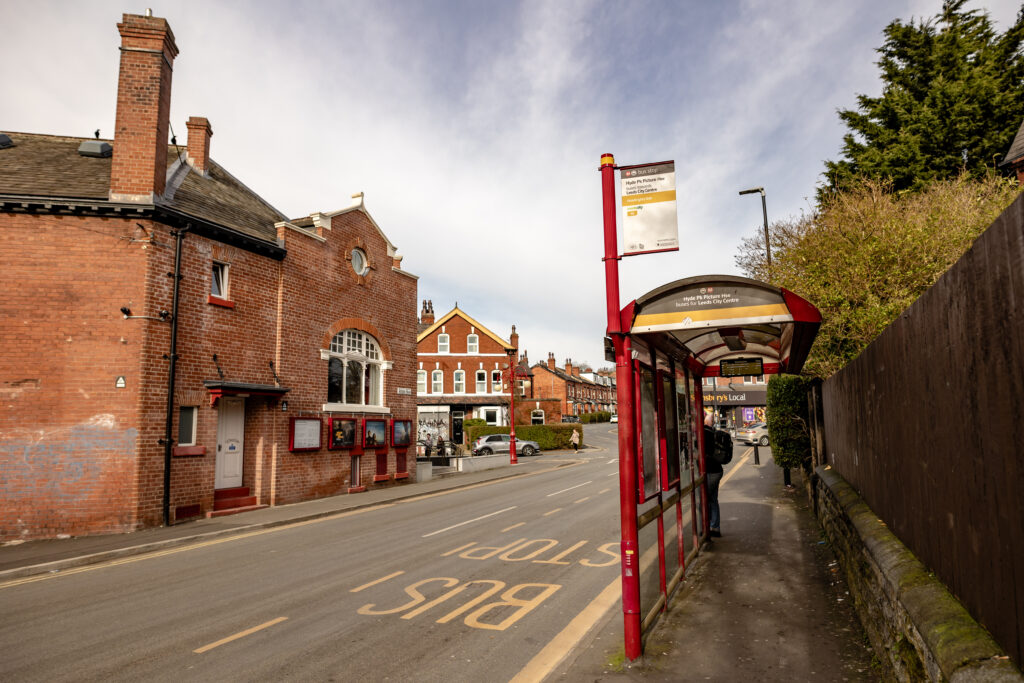
A bus stop with a shelter located close to a cinema entrance.
BE 1.03 Public Transport Access
Provide clear information about nearby accessible stops or stations.
Coming soon for subscribers.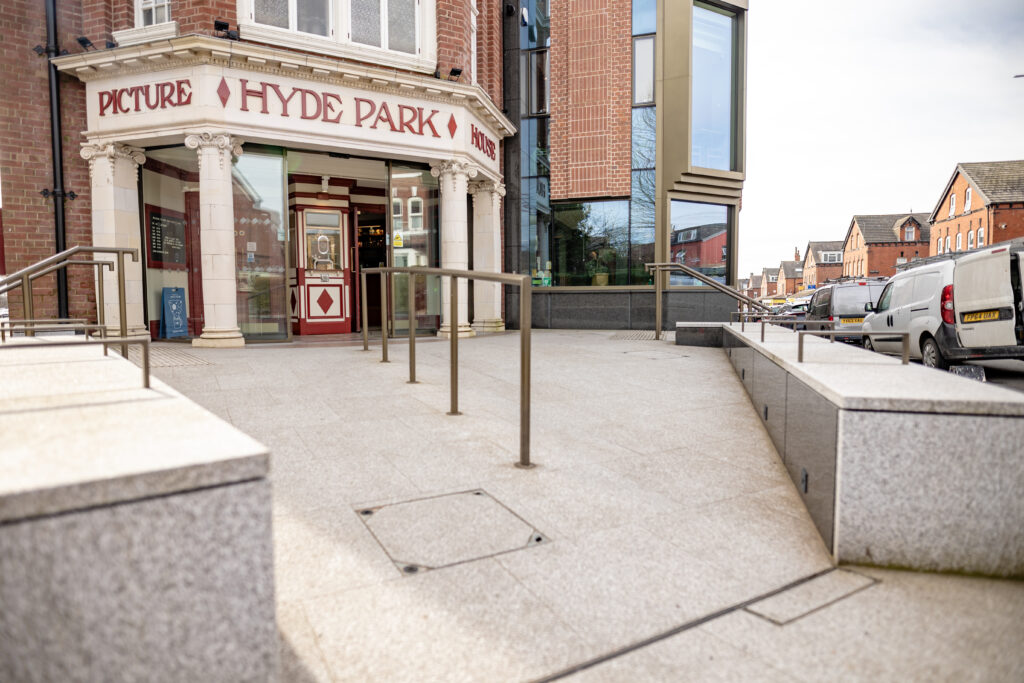
Gently sloped approach to a cinema entrance with handrails and seating.
BE 1.04 Accessible Approaches
At your arrival point, make sure the entrance is easy to find, well-lit and with weather protection. Pathways should be wide, level, slip-resistant and have tactile paving where needed.
Coming soon for subscribers.
BE 2. Entry and Exit Routes
These Standards cover ways in and out of the buildings that make up your venue, with a focus on main entrances. They explain both the physical and the sensory aspects of accessibility. These Standards cover the customer journey from when they enter your building, to visiting a reception point, to when they leave.
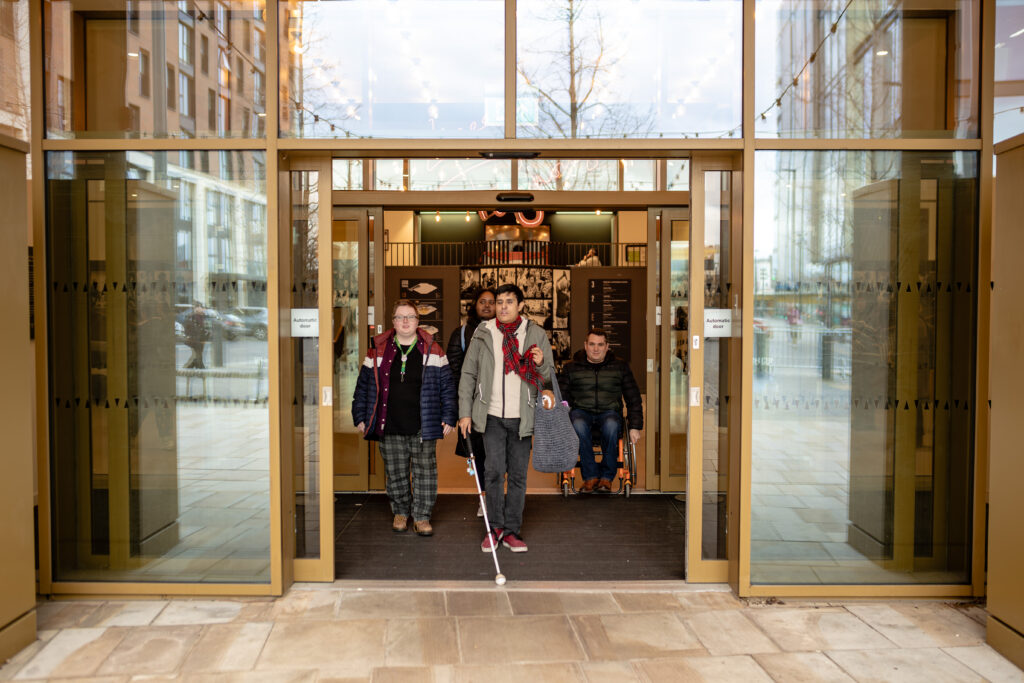
A venue entrance with a wide doorway, automatic doors with manifestations and level access between the outdoors and lobby.
BE 2.01 Doors, Thresholds, and Lobbies
Make sure your entrance is welcoming, considered and accessible. Visitors should easily identify, open, and pass through doors safely and without collisions
Coming soon for subscribers.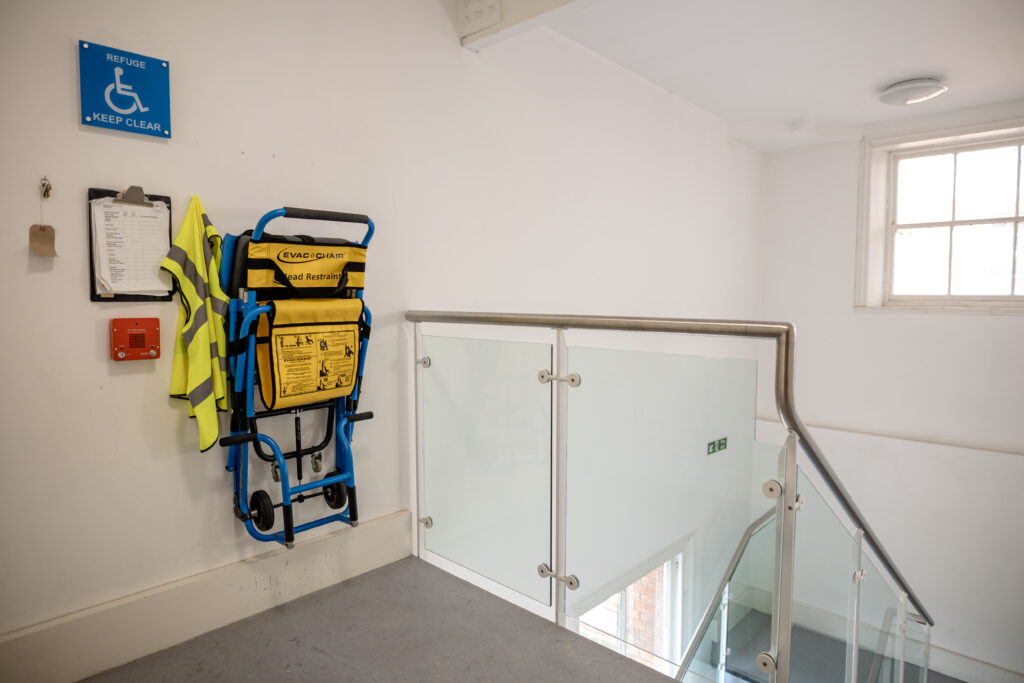
A refuge point on a stairwell with a blue ‘Refuge – Keep Clear’ sign, evac chair and accessible intercom button.
BE 2.02 Emergency Evacuation
Provide clearly marked, step-free emergency evacuation routes with audible and visual emergency alerts.
Coming soon for subscribers.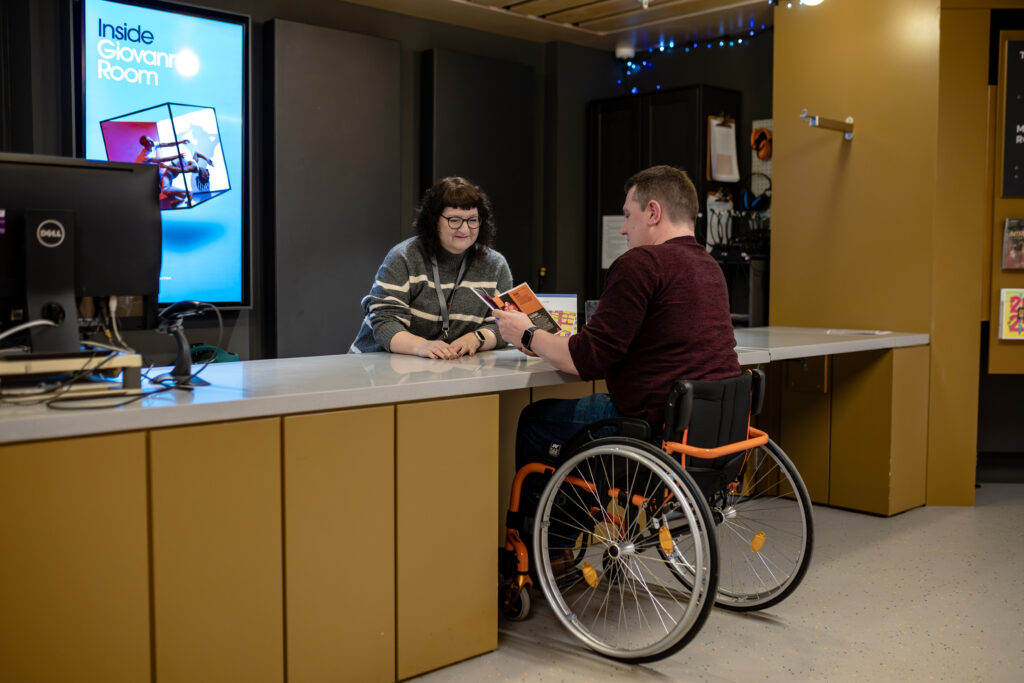
A box office counter with clear access and a wide lowered counter with knee recess. Evenly lit with non-reflective surfaces.
BE 2.03 Ticketing and Reception
Ensure that visitors receive a warm and reassuring welcome. Provide lowered counters with an induction loop. Consider your audience journey and provide clear signage, queueing systems and appropriate lighting.
Coming soon for subscribers.
BE 3. Moving Around
These Standards outline key accessibility factors for moving around your venue. This includes moving between rooms and moving between floors.
These Standards outline how people plan their route through your venue and arrive at their destination. They showcase best practice examples, such as signage, maps, and audio guidance. Visual or tactile cues, like wall colour and floor surface, are also included.
The Access Routes Standard covers the physical features of corridors, lifts, ramps and stairways. It includes details such as dimensions and gradient.
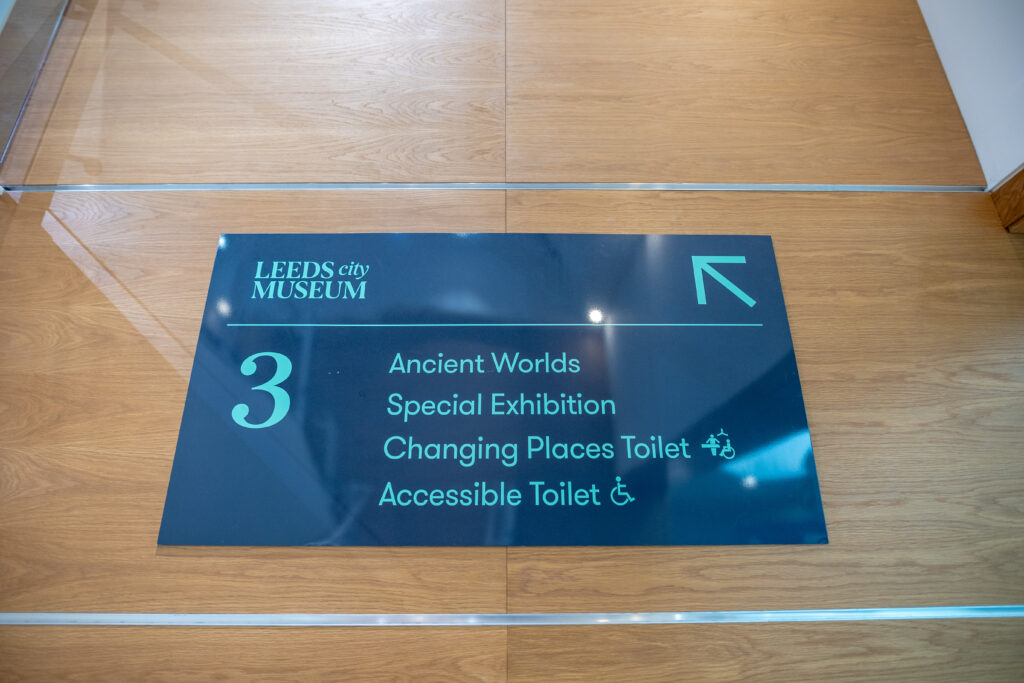
An accessible directional sign in a museum showing what facilities are on this level in clear, sans serif text with symbols.
BE 3.01 Signage and Wayfinding
Use signage that has large high-contrast text with icons, Braille and tactile elements.
Coming soon for subscribers.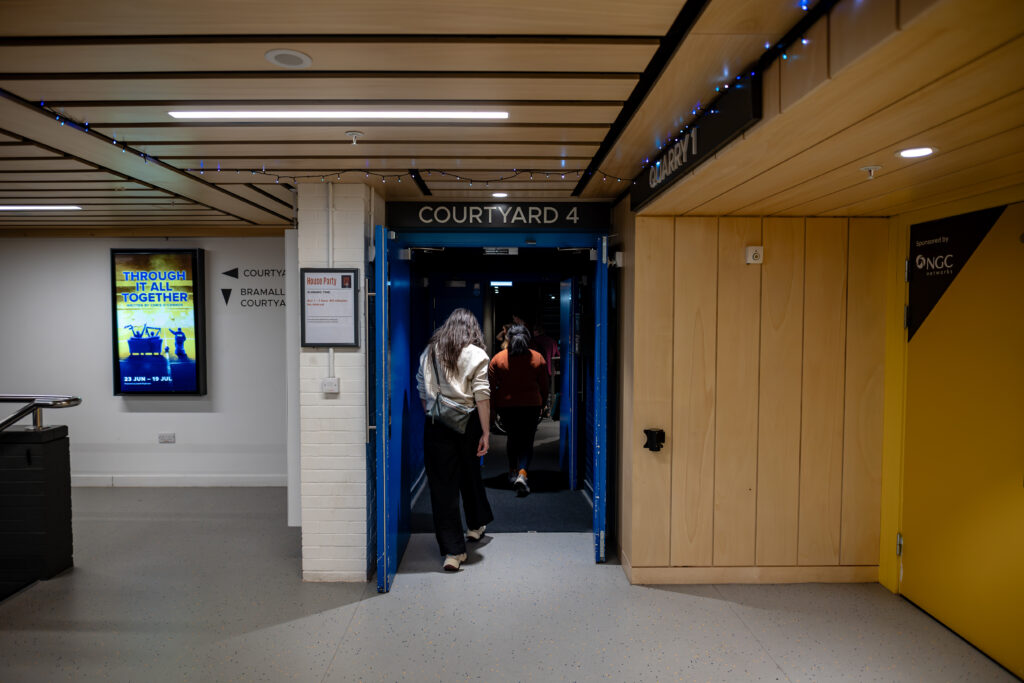
Non-slip, non-reflective flooring in a theatre foyer with colour contrast to the walls and a smooth join to the next surface.
BE 3.02 Flooring and Wall Surfaces
Ensure the floor and wall design enables visitors to move comfortably and easily navigate the space. Provide clear, well-defined pathways and wall surfaces with distinct markings.
Coming soon for subscribers.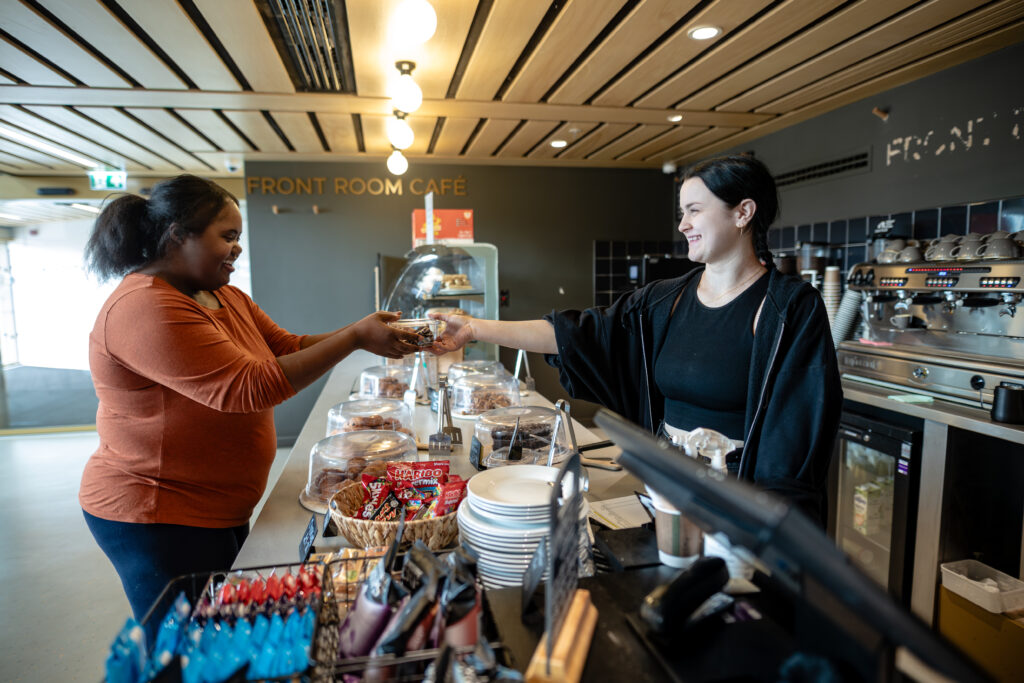
A staff member serves a visitor at a well-lit cafe counter that supports accessible communication.
BE 3.03 Lighting and Contrast
Create spaces that have even, non-distracting lighting levels. Utilise lighting within your spaces to support with hazard prevention, create comfortable environments and support with movement and communication.
Coming soon for subscribers.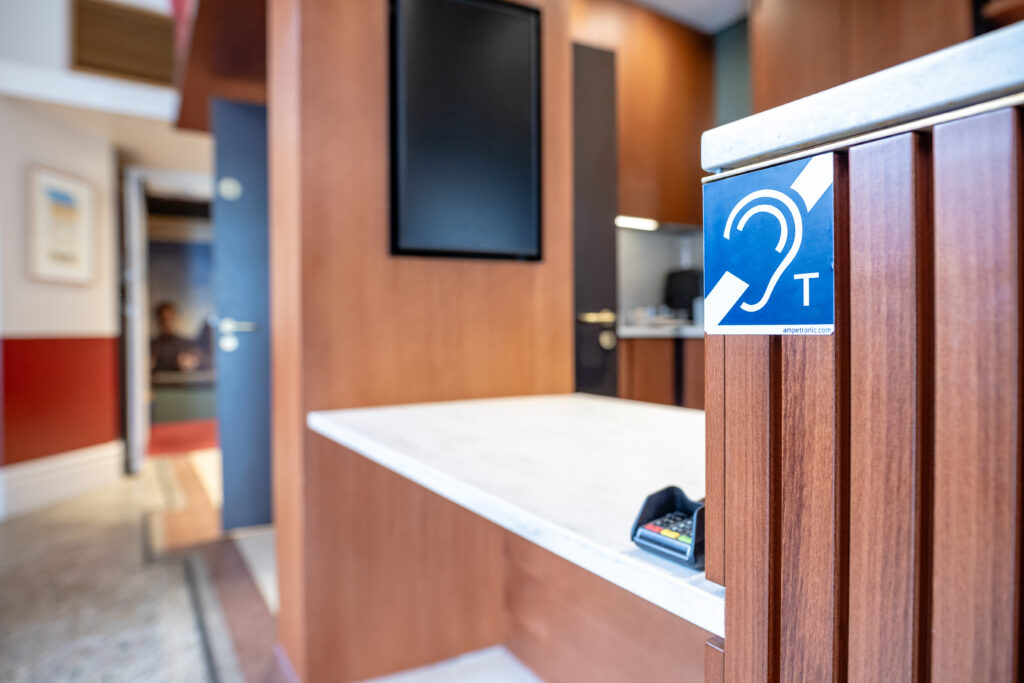
A lowered accessible café counter with a blue and white sign showing that an induction loop is available to use here.
BE 3.04 Announcements, Alarms, and Audio Guidance
Audio, PA systems or directional sound cues can be used to help visitors navigate and access live events and exhibitions. Utilise these to ensure blind and partially sighted visitors receive equal information.
Coming soon for subscribers.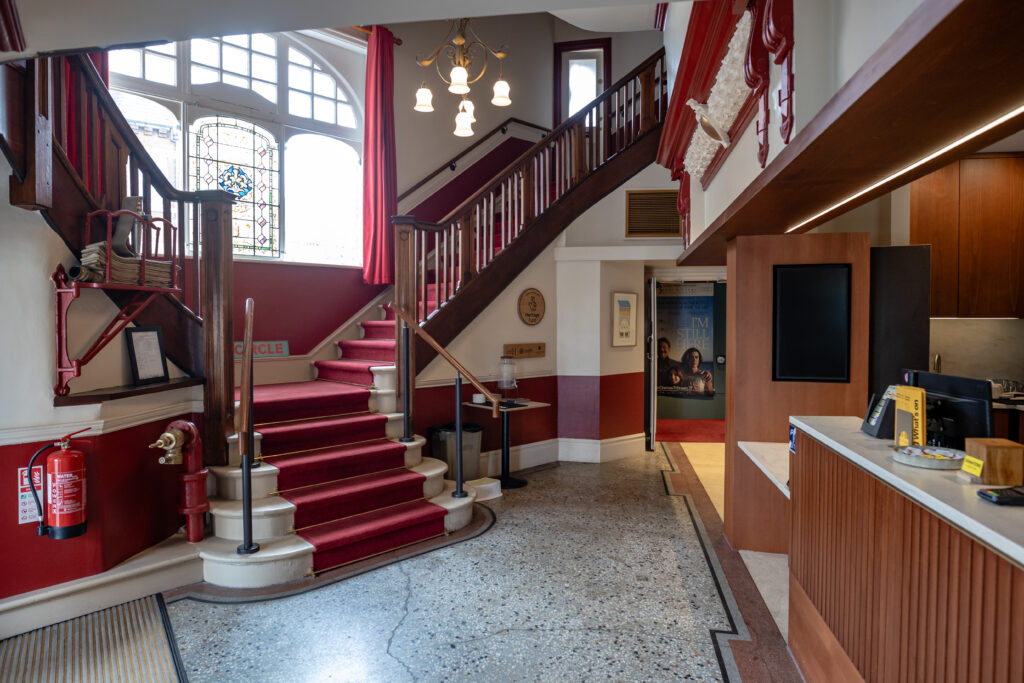
Stairs that have colour contrast, solid closed risers, handrails both sides and flat landings top and bottom.
BE 3.05 Access Routes
Ensure that people can move around your building by reducing obstructions and providing lifts and ramps. Follow the guidelines to offer accessible stairways and handrails.
Coming soon for subscribers.
BE 4. Artistic Environments
Artistic Environments are the places where visitors and artists engage in creative and cultural experiences. In your venue, this might mean an auditorium, a main library hall, museum exhibition rooms, or an interactive breakout space.
These Standards focus on the physical accessibility of these areas. This includes seating in auditoria, display cases for exhibits, dressing rooms, stage access for performers, and workstations in learning rooms.
Note that elements like signage, lighting, and flooring are covered in section 3, Moving Around. They are cross-referenced here instead of repeated.
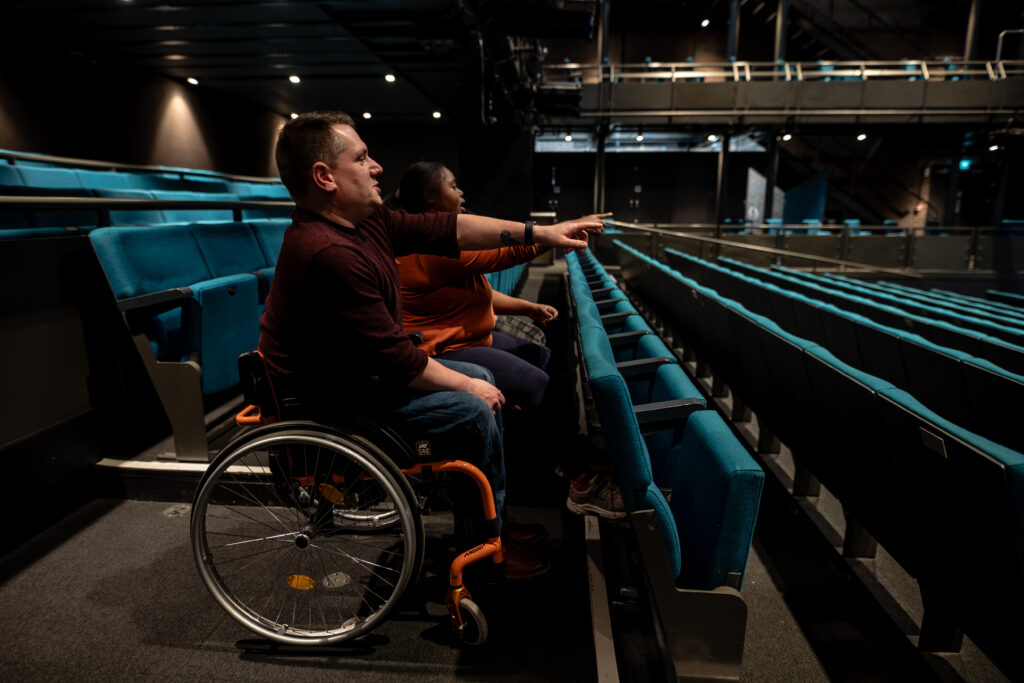
A group of audience members seated in a theatre auditorium admiring their view. One person is using a wheelchair space.
BE 4.01 Seating
Provide a variety of options, including wheelchair-accessible spaces and companion seating to support visitors to feel comfortable and experience the event.
Coming soon for subscribers.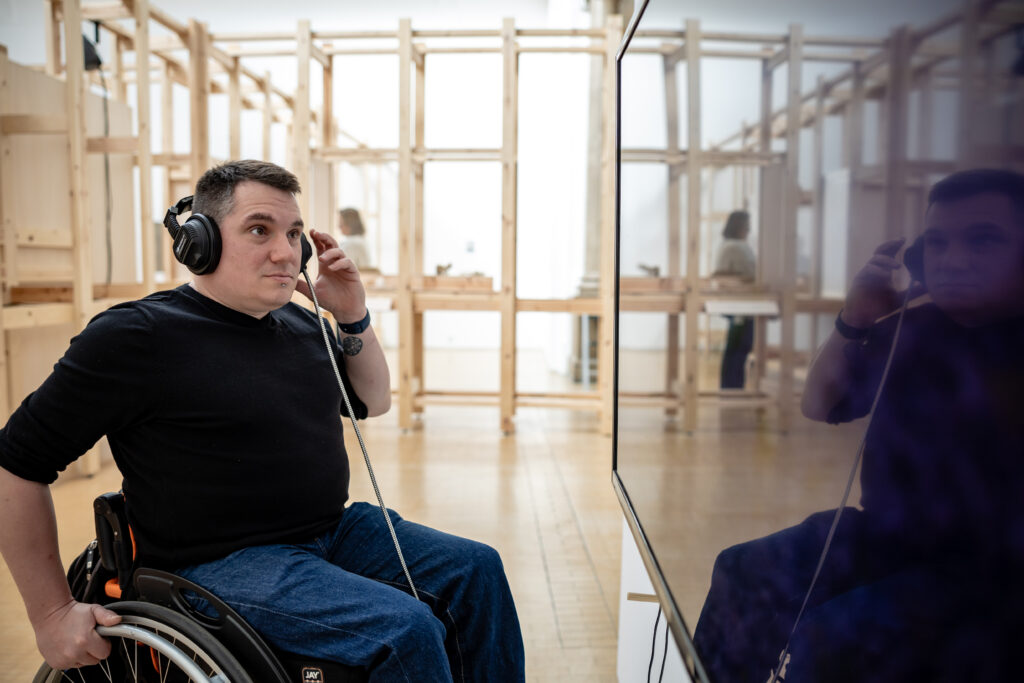
A person using a wheelchair is seated in front of a large screen, wearing headphones and holding an audio device. The setting appears to be an exhibition space with wooden frame structures in the background.
BE 4.02 Exhibition Access
Create exhibition spaces that can be independently accessed and feel welcoming. Ensure visitors can easily move around and engage with the content through step-free or ramped stages, tactile displays, and height-adjustable areas.
Coming soon for subscribers.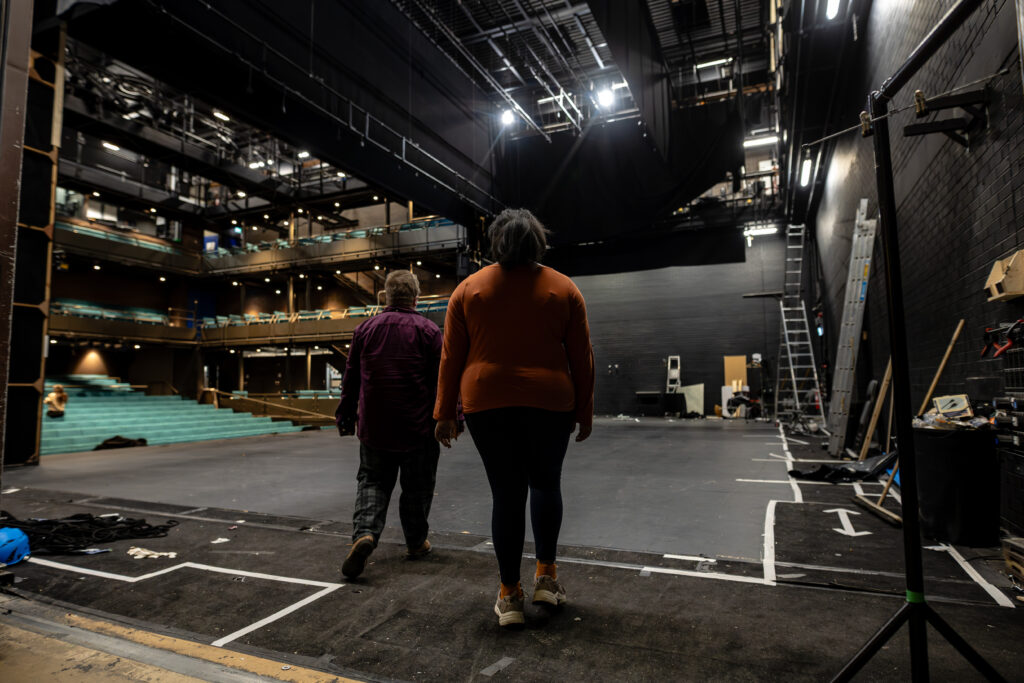
Two performers walk onto a level access stage. The edge is well-defined and the lighting avoids glare or high contrast.
BE 4.03 Performer Accessibility
Remove barriers to backstage, dressing rooms, and stages through step-free access, considered design and decor, access facilities, and evacuation procedures.
Coming soon for subscribers.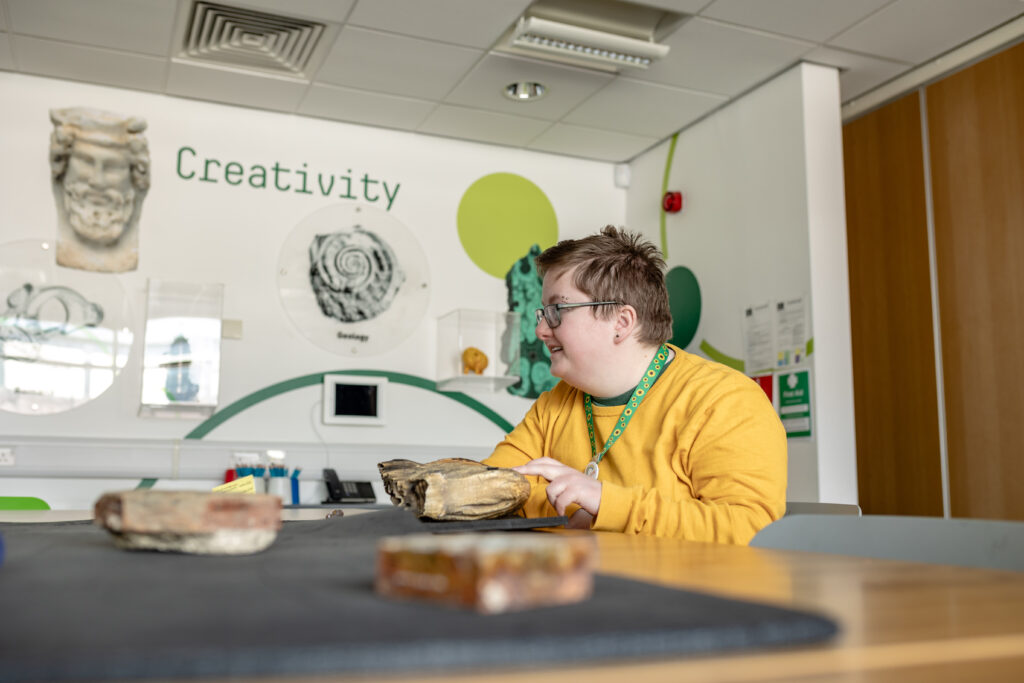
A person wearing a sunflower lanyard enjoys an activity in a calm, quiet room with good natural light and lots of seating.
BE 4.04 Learning and Engagement Spaces
Set up adjustable workstations and accessible craft and technology to be used by disabled people within their learning and engagement activities.
Coming soon for subscribers.
BE 5. Facilities
These Standards focus on non-creative spaces and rooms. They cover the main facilities that help visitors feel comfortable. They also provide guidance for staff and back-of-house areas. These Standards explain built environment accessibility, including key measurements and features of accessible toilets.
The Rest and Support Spaces Standard provides guidance for prayer rooms, first aid areas, and smoking areas. This is based on accessibility principles from building regulations. This guidance is also relevant for similar facility spaces.
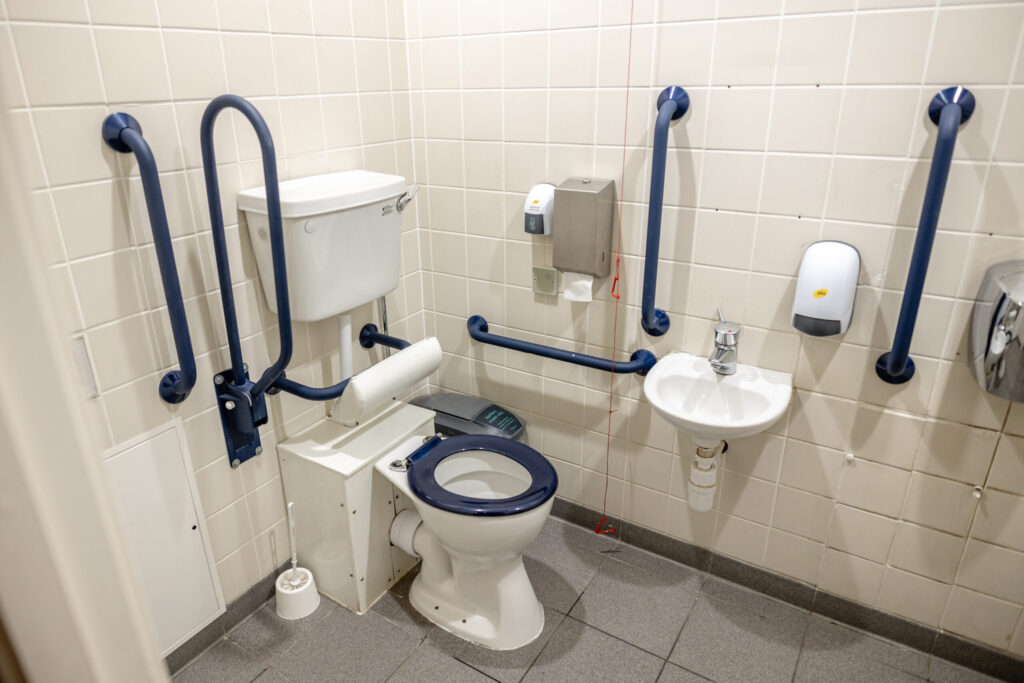
An accessible toilet with left-hand transfer, grab rails either side and a red pull cord alarm that hangs to the floor.
BE 5.01 Toilets
Provide a variety of accessible, usable, and functional toilet facilities that meet key user design principles.
This content is only available to logged in users.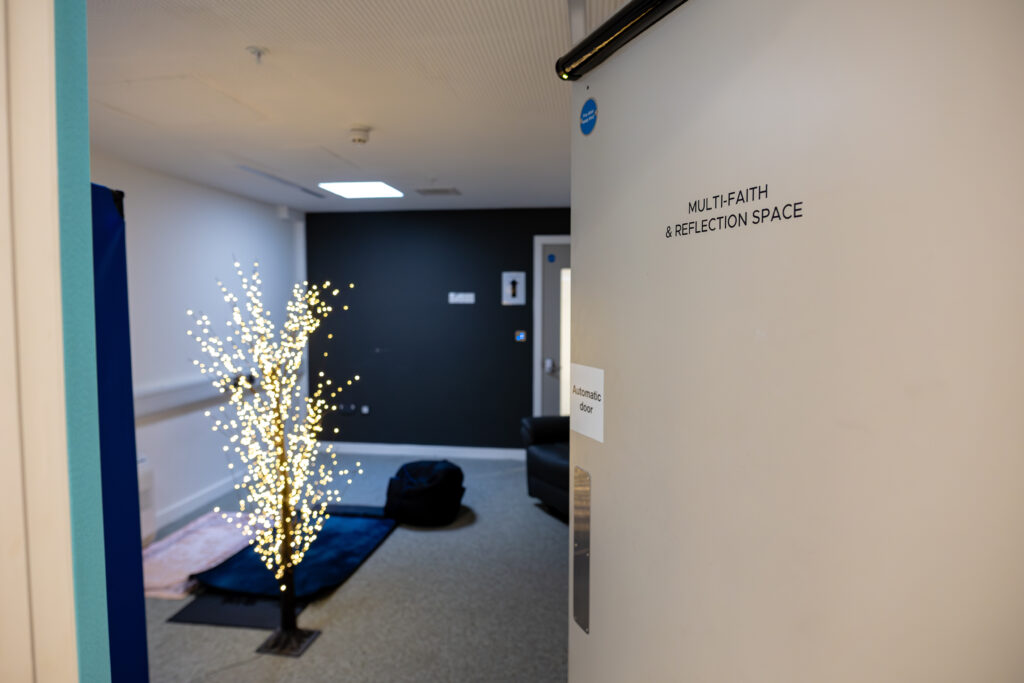
A door labelled ‘multi-faith and reflection space’ opens into a room with twinkling tree-shaped lights and soft seating.
BE 5.02 Sensory and Quiet Rooms
Offer sensory or quiet spaces that are well-managed and designed to be flexible to meet various sensory needs.
Coming soon for subscribers.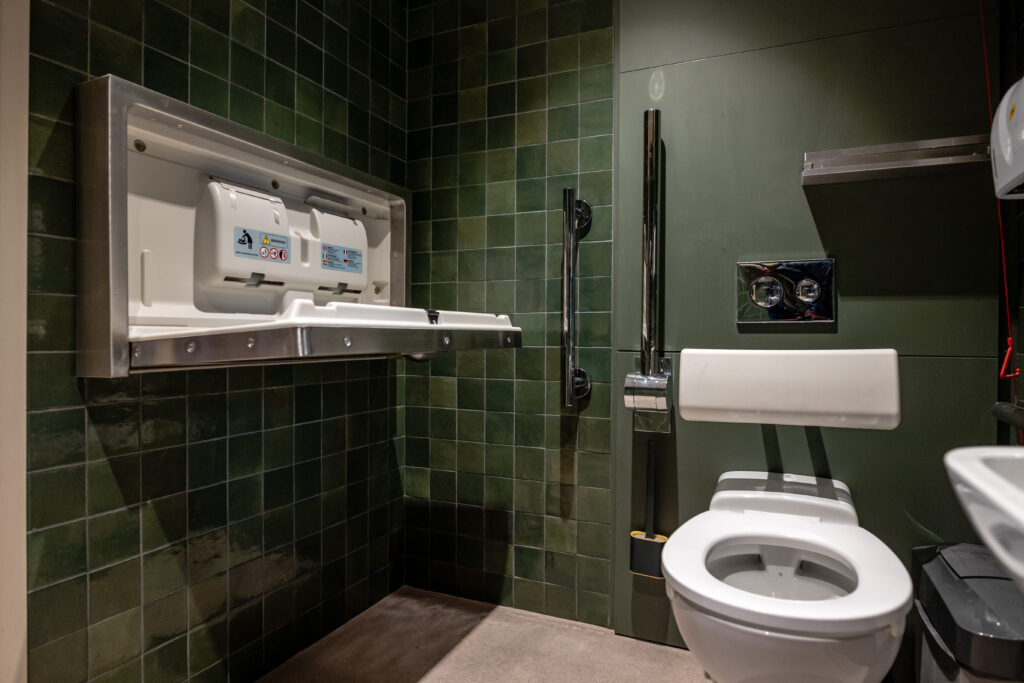
An open, wall-mounted baby changing unit inside an accessible toilet showing there is enough space for a wheelchair to turn.
BE 5.03 Baby-Changing Facilities
Ensure that disabled parents and children have access to baby-changing facilities that are user-friendly and inclusive.
Coming soon for subscribers.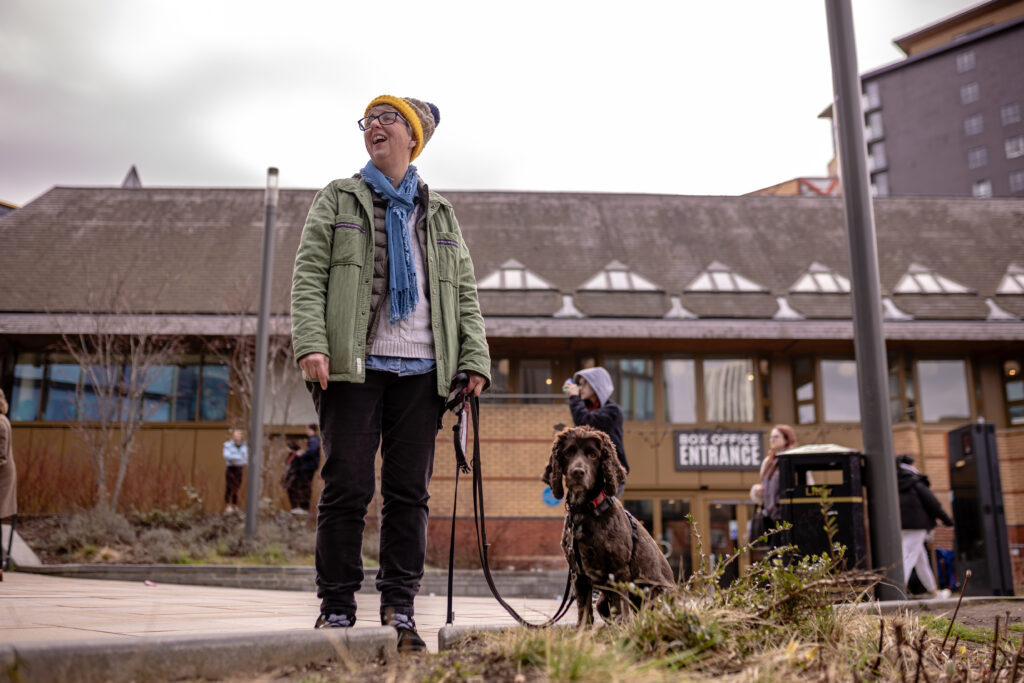
Assistance dog and owner in a flat spending area close to an arts venue. Streetlamps and a wastebin are nearby.
BE 5.04 Assistance Animal Areas
Create specific toilet (spending) areas for assistance animals that are clean and ensures the dog’s wellbeing.
Coming soon for subscribers.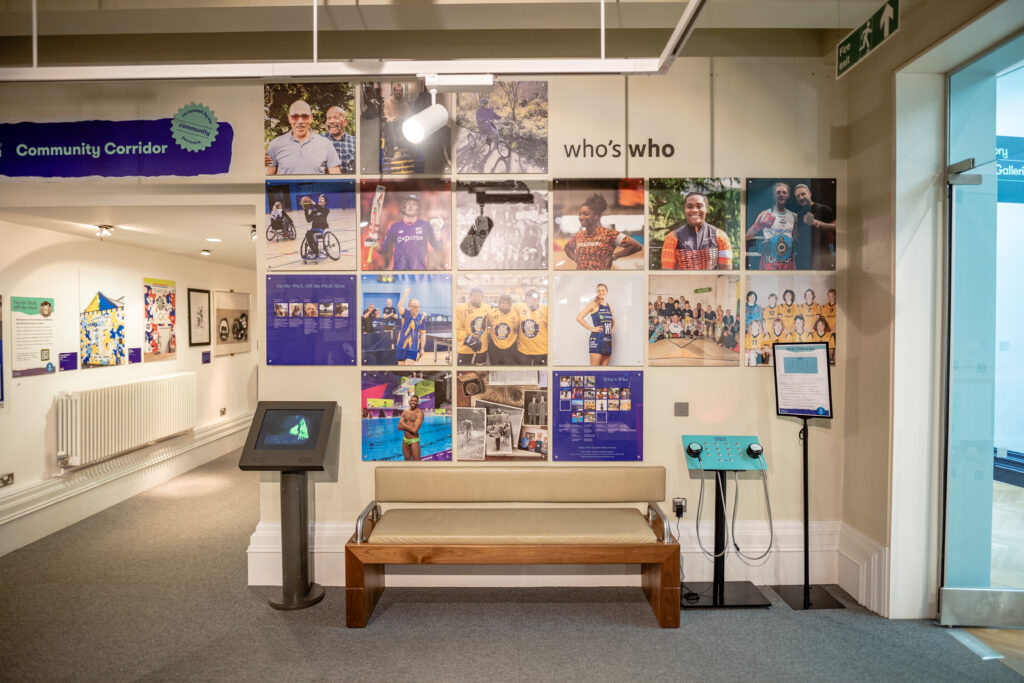
A bench with a padded seat and backrest and arm supports provides a place to rest in a museum gallery.
BE 5.05 Rest and Support Spaces
Plan and provide comfortable and considered rest and support areas, including for prayer, first aid, smoking areas, and other miscellaneous restorative spaces.
Coming soon for subscribers.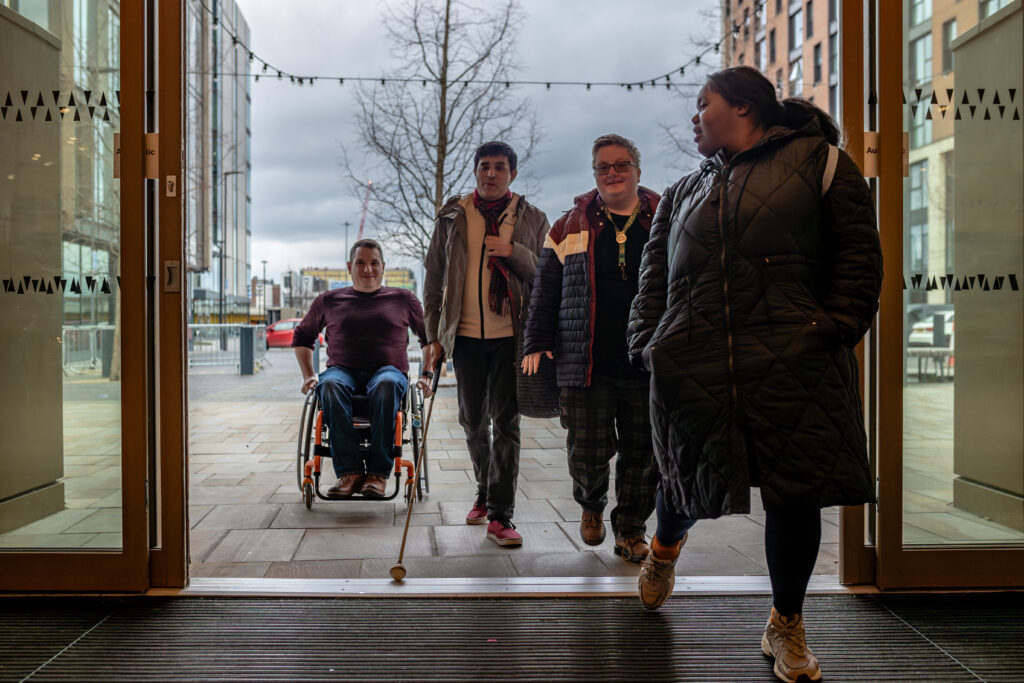
Staff use an accessible entrance into a venue. It has automatic doors and level access.
BE 5.06 Staff Areas
Meet the needs of your staff by considering the accessibility of all spaces that your staff use. Make sure staff can easily arrive and move through your space and complete their work comfortably.
Coming soon for subscribers.
BE 6. Food, Drink, and Retail
These Standards apply to café and bar areas, refreshment points, and retail outlets such as gift shops. They also detail accessibility features, such as lowered counters and seating arrangements, with examples provided.
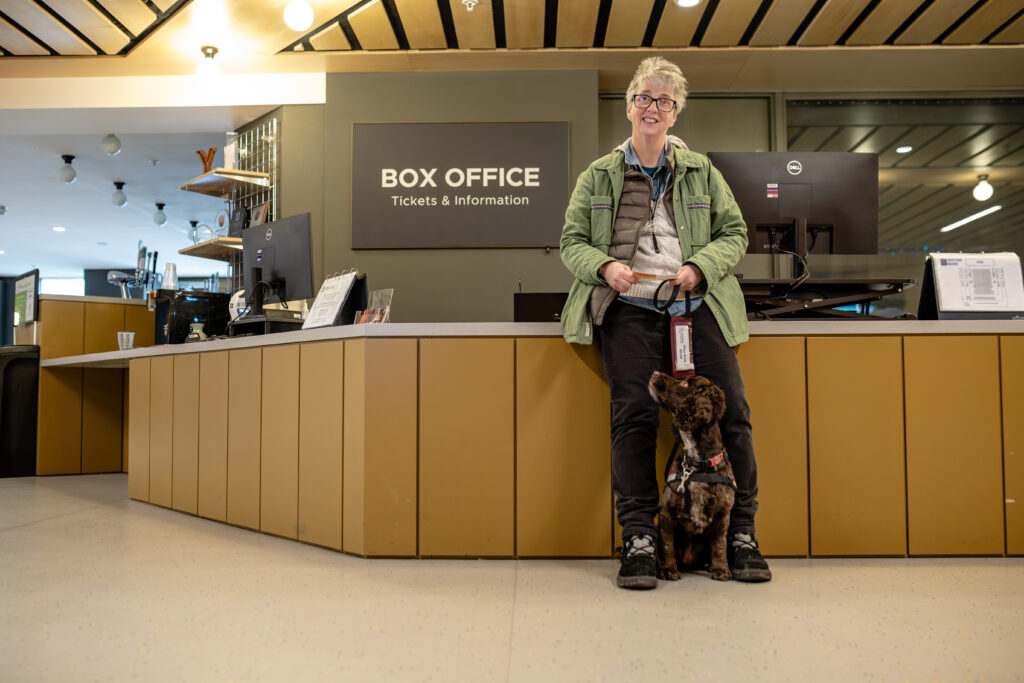
A visitor stands in front of a box office counter. A large sign shows that this is where to get tickets and information.
BE 6.01 Counters
Design reception desks, box offices, checkouts and cafés or bars that are easy to identify, suitable for both standing and seated visitors and equipped with hearing aid induction loop systems.
Coming soon for subscribers.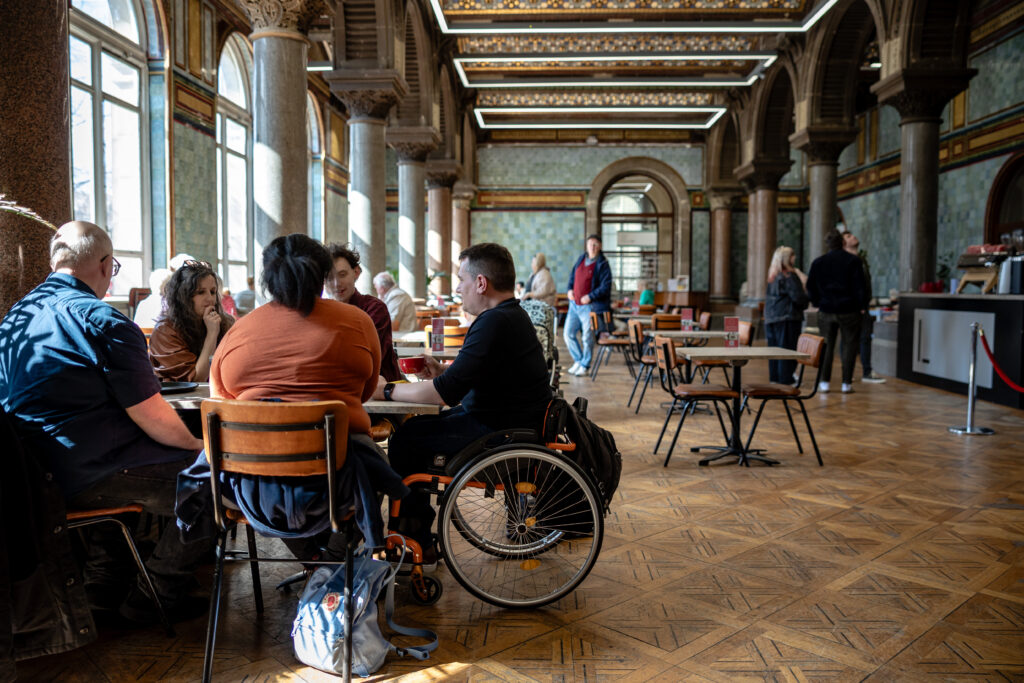
A group of people including a wheelchair user sit at a table in an ornate Victorian tearoom with a woodblock floor.
BE 6.02 Seating and Tables
Choose accessible furniture and position it with flexible arrangements so that everyone feels welcomed and considered.
Coming soon for subscribers.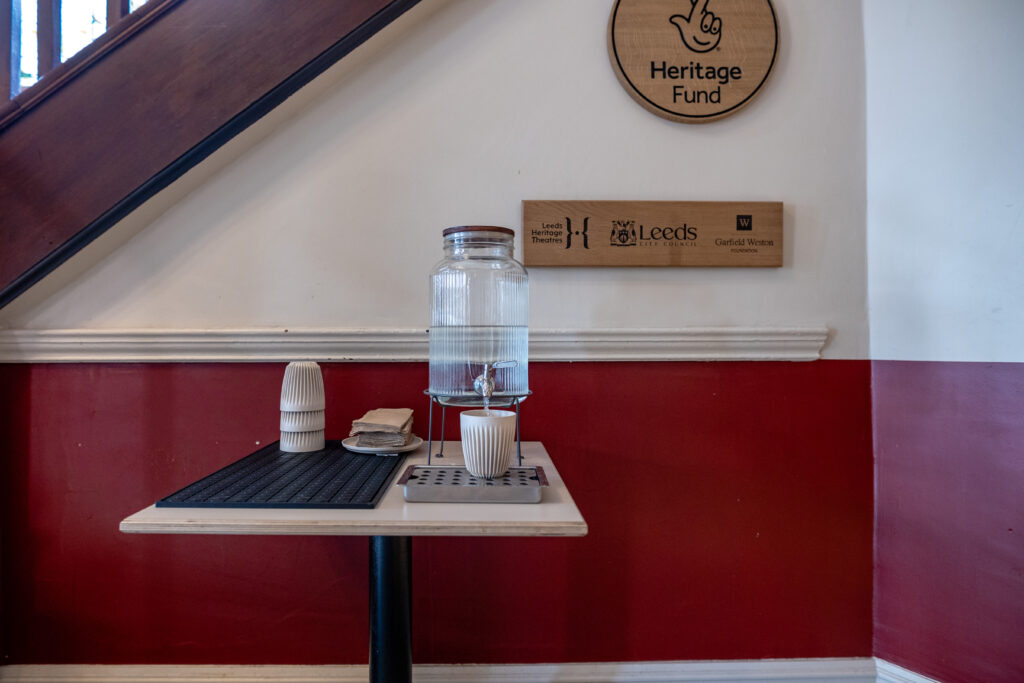
Water dispenser and rigid plastic cups on a low table with a non-slip mat.
BE 6.03 Water Points
Provide water points that disabled people can use independently and located in clear, accessible areas.
Coming soon for subscribers.